Scroll through any technology news feed and you will find the same headline in a new outfit every week. A new model translates better than humans. A startup replaces an entire localisation team. A tech giant launches live speech translation in a hundred languages. Readers could be forgiven for thinking the translation profession is about to disappear.
The reality on the ground is more interesting and far less dramatic. Businesses are using artificial intelligence more than ever. They are also discovering where it fails. This article looks past the headlines at what is actually changing in multilingual communication in 2026.
What the Technology Really Does Well
Credit where it is due. Machine translation has improved enormously since neural models replaced older statistical systems in the middle of the last decade. Large language models pushed quality further. For common language pairs such as English and Spanish or English and Italian the output is often fluent and readable on the first pass.
Speed is the obvious advantage. A product description or an internal email can be translated in seconds. For companies with huge volumes of low risk text this is transformative. Support tickets and user reviews and internal knowledge bases can now be read across languages at almost no cost.
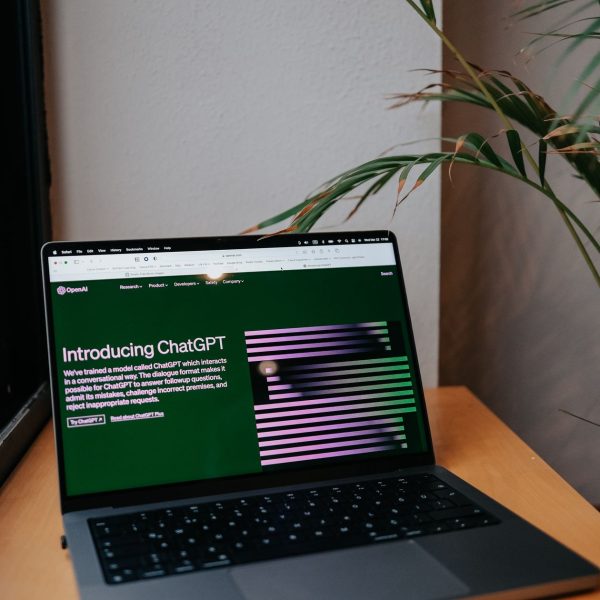
General purpose ai platforms like chatgpt have also changed expectations. Anyone can paste a paragraph and receive a translation along with an explanation of tone and alternatives. Many small businesses now use these tools as a first draft for their international communication.
What the Headlines Rarely Mention
Fluency is not accuracy. The most dangerous machine errors are the ones that sound perfect. A contract clause that reverses a condition. A dosage instruction that changes units. A marketing slogan that means something embarrassing in the target market. A reader who does not speak the source language has no way to spot the problem.
Rare languages remain a weak point. Models are trained on the text available online. Languages with fewer digital resources receive less attention and produce weaker results. A tool that shines in French may stumble badly in Amharic or Pashto.
Context is the other gap. Machines translate what is on the page. They do not know that a brand avoids certain words or that a legal team prefers a specific term or that a region uses a different currency format. Human linguists carry that context from project to project.
Liability Has Not Moved to the Machine
When a translation causes harm someone is responsible. It is not the software. Companies that publish machine output without review carry the risk themselves. Regulators have noticed. The European Union AI Act introduces obligations for providers of general purpose models and transparency duties for certain uses of AI. Sector rules in healthcare and finance and law already demand accurate documentation in the language of the user.
This is why regulated industries continue to buy professional translations even as they experiment with automation. Pharmaceutical leaflets and financial disclosures and court documents need a qualified person who can sign off on every word. Insurance policies and audit trails depend on it.
The Hybrid Model Is Quietly Winning
Inside most translation companies the debate about humans versus machines ended some time ago. The answer is both. Machine translation produces a first draft. A professional linguist post edits it checking meaning and terminology and style. For creative or sensitive content the human writes from scratch.
This workflow has changed pricing and turnaround. Routine content is cheaper and faster than it was five years ago. High stakes content still costs what skilled work costs. Buyers of language translation services increasingly receive a choice of service levels matched to the risk of each document.
Buyers comparing vendors should look beyond headline prices and ask how quality is actually managed. Working with an established provider of translation services gives teams access to vetted linguists, documented QA steps, and clear accountability for every project. That combination matters most when deadlines are tight or the content carries legal or commercial risk. A transparent process is usually the best predictor of consistent results.
The model also changes the job. Translators spend more time reviewing and less time typing. They build glossaries and style guides that make both humans and machines more consistent. Many say the work has become more varied and more technical.
What Businesses Should Take From the News
Do not ignore the technology. Use it where risk is low and volume is high. Internal communication. First drafts. Understanding incoming messages from customers abroad.
Do not trust it blindly either. Anything customer facing or legally binding deserves human review. Anything that carries your brand voice deserves a writer who understands your market.
Ask your providers how they use AI. A good partner will explain exactly which steps are automated and which are handled by people. They will also explain how your data is protected. Confidential documents pasted into public tools can end up in places you never intended.
Speech Translation Is the Next Battleground
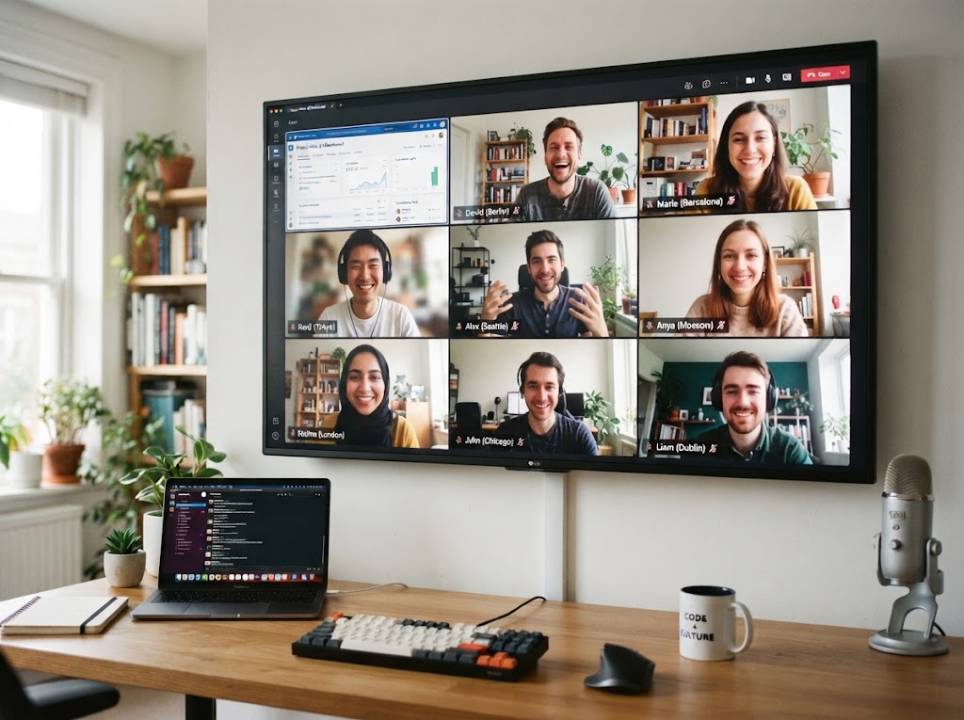
The most eye catching announcements in recent months have focused on live speech. Earbuds that translate a conversation as it happens. Video calls with instant subtitles in another language. Phone apps that let a tourist order dinner in Tokyo without a word of Japanese.
For travel and casual chat these tools are impressive. For a medical consultation or a police interview or a business negotiation they are not ready. Background noise and accents and overlapping voices still confuse them. A missed negative can flip the meaning of a sentence. Professional interpreters remain the standard wherever the outcome matters.
Data Privacy Is the Hidden Issue
There is another question that rarely appears in the headlines. Where does the text go once you paste it into a free tool? Terms of service vary widely. Some services may use submitted content to improve their models. For a company handling patient records or unreleased financial results or trade secrets that is a serious risk.
Enterprise versions of AI tools often promise stronger protection. Professional translation providers sign confidentiality agreements and follow data protection law. Before any document leaves your organisation ask a simple question. Who can see this and for how long?
A Profession Changing Not Vanishing
Every technological wave has produced headlines about the end of translation. Word processors. Translation memories. The internet. Neural machine translation. Each time the profession adapted and demand for multilingual content grew. The same pattern is repeating now.
The companies that win in international markets will be the ones that combine fast machines with experienced people. The headlines will keep promising a revolution. The real story is a steady evolution in how the world talks to itself.