A mother in Leeds misses a hospital appointment because the letter was in English. A worker in Newark signs a lease he does not fully understand. A Brazilian student in Lisbon waits months for a residence card because one document was translated incorrectly. These stories rarely make the front page. Yet together they form one of the quietest and most persistent issues facing public services across the Western world.
Language access has returned to the news in 2026. Budgets are tight. Migration remains a political flashpoint. Artificial intelligence promises cheap instant translation. Public bodies are caught between all three pressures. Here is what is really happening and why it matters.
The Scale Nobody Talks About
The numbers are larger than most people assume. In the United States Census Bureau surveys have long found that more than sixty million residents speak a language other than English at home. A significant share of them say they speak English less than very well. In England and Wales the 2021 census recorded Polish and Romanian and Panjabi and Urdu and Portuguese among the most common main languages after English. Portuguese alone was the main language of more than two hundred thousand residents.
The European Union works in twenty four official languages and publishes its laws in all of them. National governments inside the Union face a different challenge. They must serve residents who arrived from every corner of the world and who speak languages far beyond that official list.
For a council or a hospital the question is practical. How do you explain a diagnosis or a tax bill or a school admission rule to someone who cannot read the letter you just sent?
Where the System Breaks Down
Most failures happen at the edges. Emergency departments at night. Small rural councils with no bilingual staff. Courts that must find an interpreter for a rare language at short notice. In these moments staff often fall back on relatives or children or free apps. The results can be dangerous.
Medical researchers have documented for years that untrained interpreters make more clinically significant errors than professionals. Family members soften bad news or add their own opinions. Children are put in the impossible position of explaining a parent's illness. Free apps mistranslate dosages and legal terms.
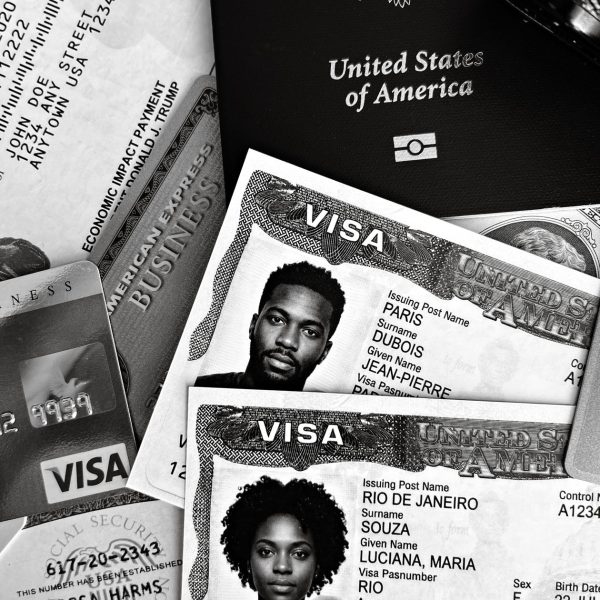
Paperwork is the second weak point. Immigration offices and universities and employers demand official versions of foreign documents. A Brazilian birth certificate or a Portuguese diploma cannot simply be run through a phone. Agencies that provide certified translation portuguese to english for visa and study files see the same pattern every week. Applicants who tried a shortcut first come back after a rejection letter.
The Policy Tug of War
Governments send mixed signals. In March 2025 the United States designated English as its official language through an executive order that also withdrew earlier federal guidance on language access. Supporters argued it would encourage integration and reduce costs. Critics warned that hospitals and courts would struggle to meet obligations that still exist under civil rights law and state rules.
In Europe the direction is different but the pressure is similar. Several countries have tightened language requirements for citizenship and long term residence. At the same time EU rules on criminal proceedings guarantee the right to interpretation and translation for suspects who do not understand the language of the court. Public bodies must meet both expectations with limited budgets.
The United Kingdom sits somewhere in between. Public sector contracts for interpreters have been criticised repeatedly by professional bodies over pay and quality. Courts have faced delays when interpreters did not arrive. Each incident sparks debate for a few weeks and then fades until the next case.
Can Artificial Intelligence Fill the Gap
Many administrators hope technology will solve the problem. Machine translation has improved dramatically. Speech tools can now produce rough real time subtitles in dozens of languages. For simple routine messages such as appointment reminders these tools can help.
The limits are clear though. Machines still struggle with rare languages and regional dialects and emotional conversations. They make confident mistakes that a non speaker cannot detect. Legal and medical decisions require accountability. Someone must be able to stand behind every word.
The most effective public bodies use a blended model. Machines handle low risk routine text. Human professionals handle anything with legal or medical consequences. Contracts with providers of interpreting and translation services give councils and hospitals access to qualified linguists on demand without keeping dozens of languages on staff.
What Good Practice Looks Like
Successful programmes share a few features. They record the preferred language of every service user at the first contact. They translate the most common letters and forms in advance into the top community languages. They train frontline staff to book interpreters quickly and to speak through them properly.
They also measure results. Missed appointments. Complaints. Readmissions. Court adjournments. When language support improves these numbers improve too. Several health systems have found that professional interpreting pays for itself through shorter stays and fewer repeat visits.
Finally they treat translation of official documents as a quality issue rather than a cost to minimise. A correct birth certificate translation on day one avoids weeks of back and forth later.
The Workforce Behind the Headlines
Behind every interpreted consultation stands a professional who trained for years. Many public service interpreters hold national qualifications and work across healthcare and courts and police stations. Their numbers have not kept pace with demand. Professional associations in several countries report that experienced interpreters are leaving public sector work because rates have stayed flat while living costs rose.
This shortage is most visible in rare languages. Finding a qualified interpreter for Tigrinya or Pashto or Dari at short notice is difficult in any European city. Remote interpreting by phone or video helps but it depends on reliable technology and on interpreters who are available when the call comes in.
Why This Story Will Keep Coming Back
Migration patterns shift. New communities arrive. Old ones grow. Every change creates new language needs that public services must meet. Technology will reduce some costs but it will not remove the need for skilled humans in high stakes moments.
Professional legal interpreting plays a vital role in courtrooms where every word can influence the outcome. Skilled court interpreters bridge language gaps during hearings, ensuring that judges, lawyers, and witnesses fully understand each other. Investing in qualified legal linguists helps uphold the integrity of judicial proceedings.
The real question for 2026 and beyond is not whether public services should support other languages. It is how they can do it well with the money they have. The answer will shape how millions of people experience healthcare and justice and education in the countries they now call home.